Jill Bolte Taylor got a research opportunity few brain scientists would wish for: She had a massive stroke, and watched as her brain functions -- motion, speech, self-awareness -- shut down one by one. An astonishing story.
In this highly personal talk from TEDMED, magician and stuntman David Blaine describes what it took to hold his breath underwater for 17 minutes -- a world record (only two minutes shorter than this entire talk!) -- and what his often death-defying work means to him. Warning: do NOT try this at home.
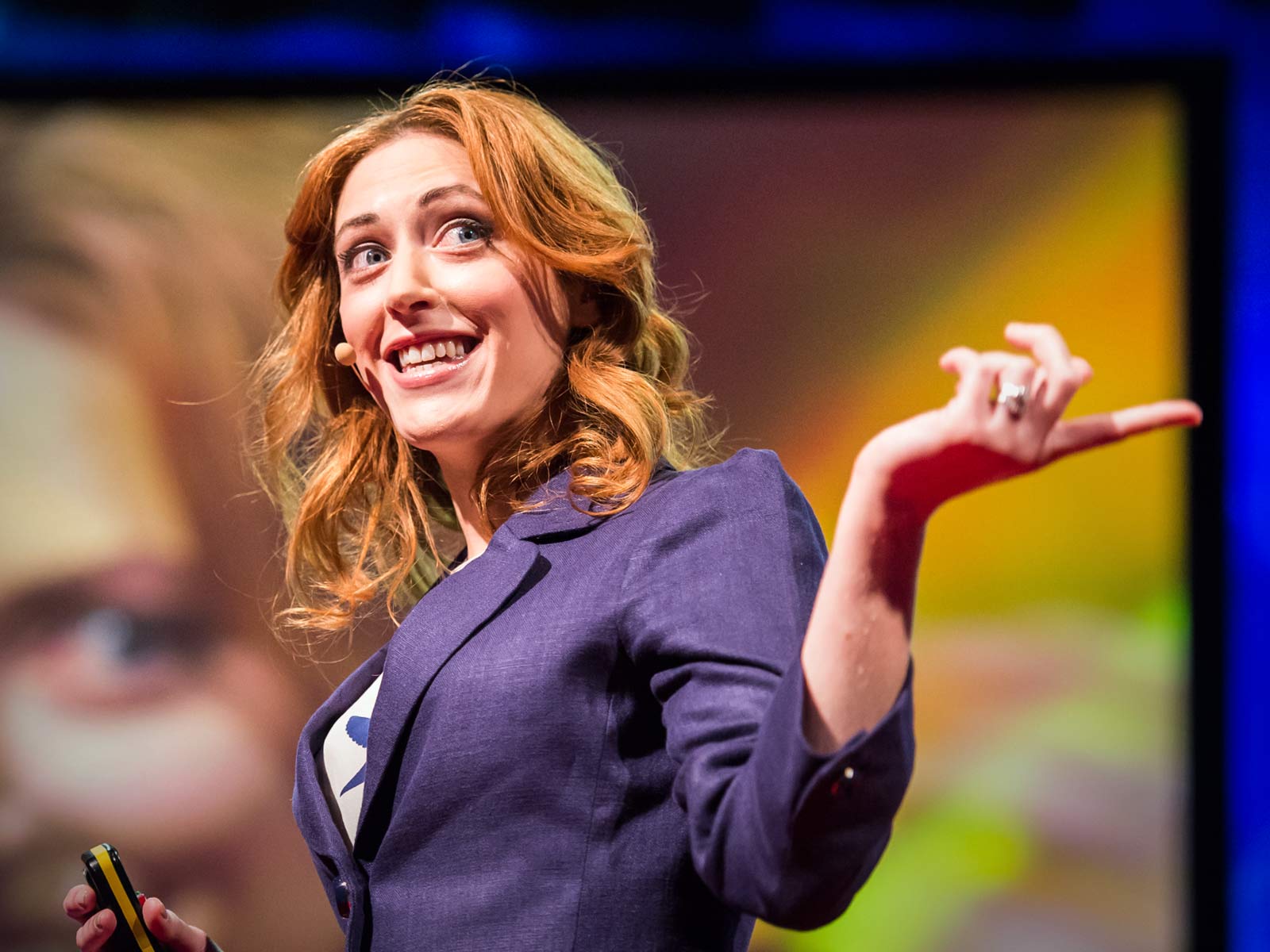
Stress. It makes your heart pound, your breathing quicken and your forehead sweat. But while stress has been made into a public health enemy, new research suggests that stress may only be bad for you if you believe that to be the case. Psychologist Kelly McGonigal urges us to see stress as a positive, and introduces us to an unsung mechanism for stress reduction: reaching out to others.
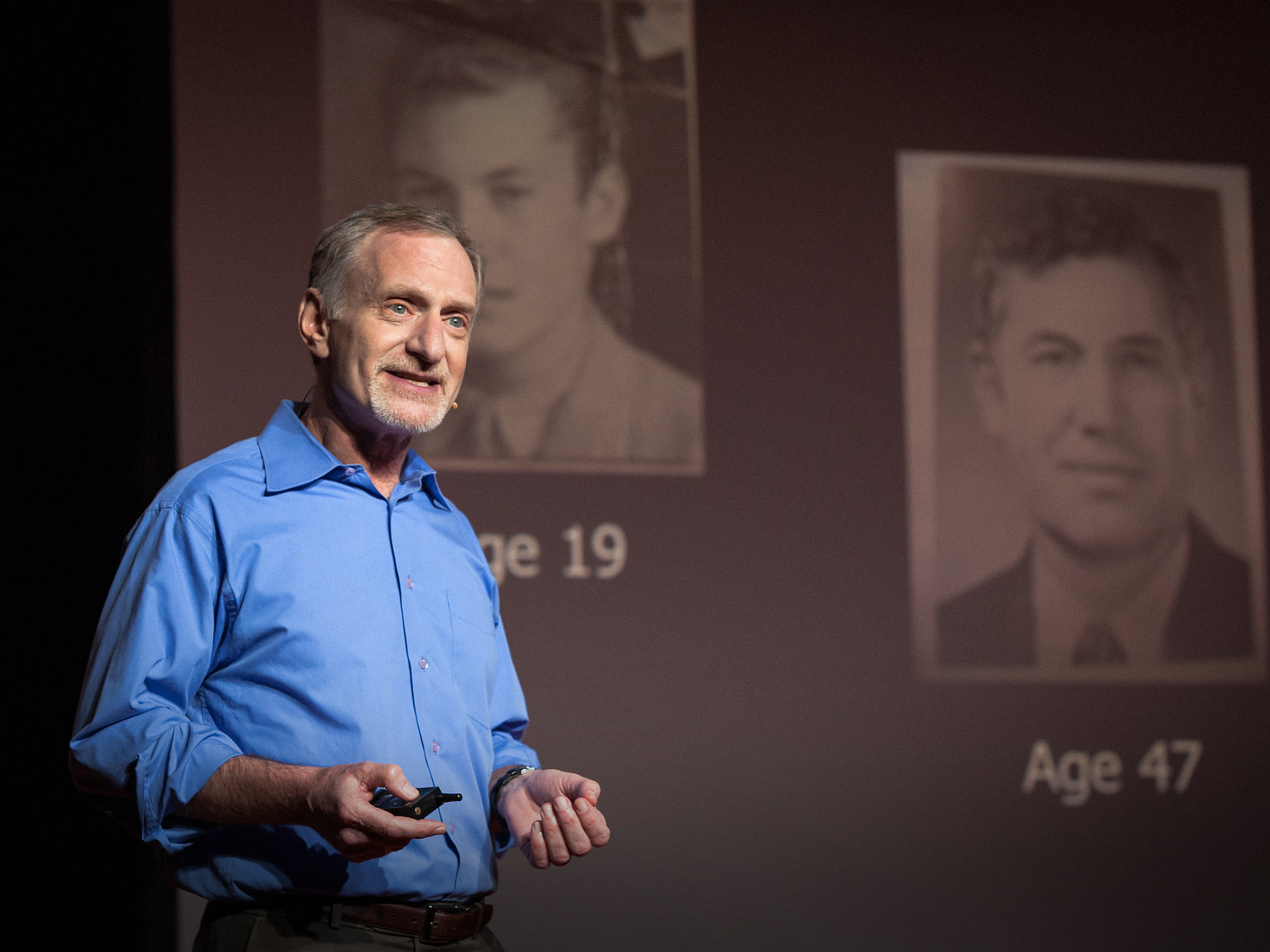
What keeps us happy and healthy as we go through life? If you think it's fame and money, you're not alone – but, according to psychiatrist Robert Waldinger, you're mistaken. As the director of a 75-year-old study on adult development, Waldinger has unprecedented access to data on true happiness and satisfaction. In this talk, he shares three important lessons learned from the study as well as some practical, old-as-the-hills wisdom on how to build a fulfilling, long life.
Sharing powerful stories from his anti-obesity project in Huntington, West Virginia -- and a shocking image of the sugar we eat -- TED Prize winner Jamie Oliver makes the case for an all-out assault on our ignorance of food.
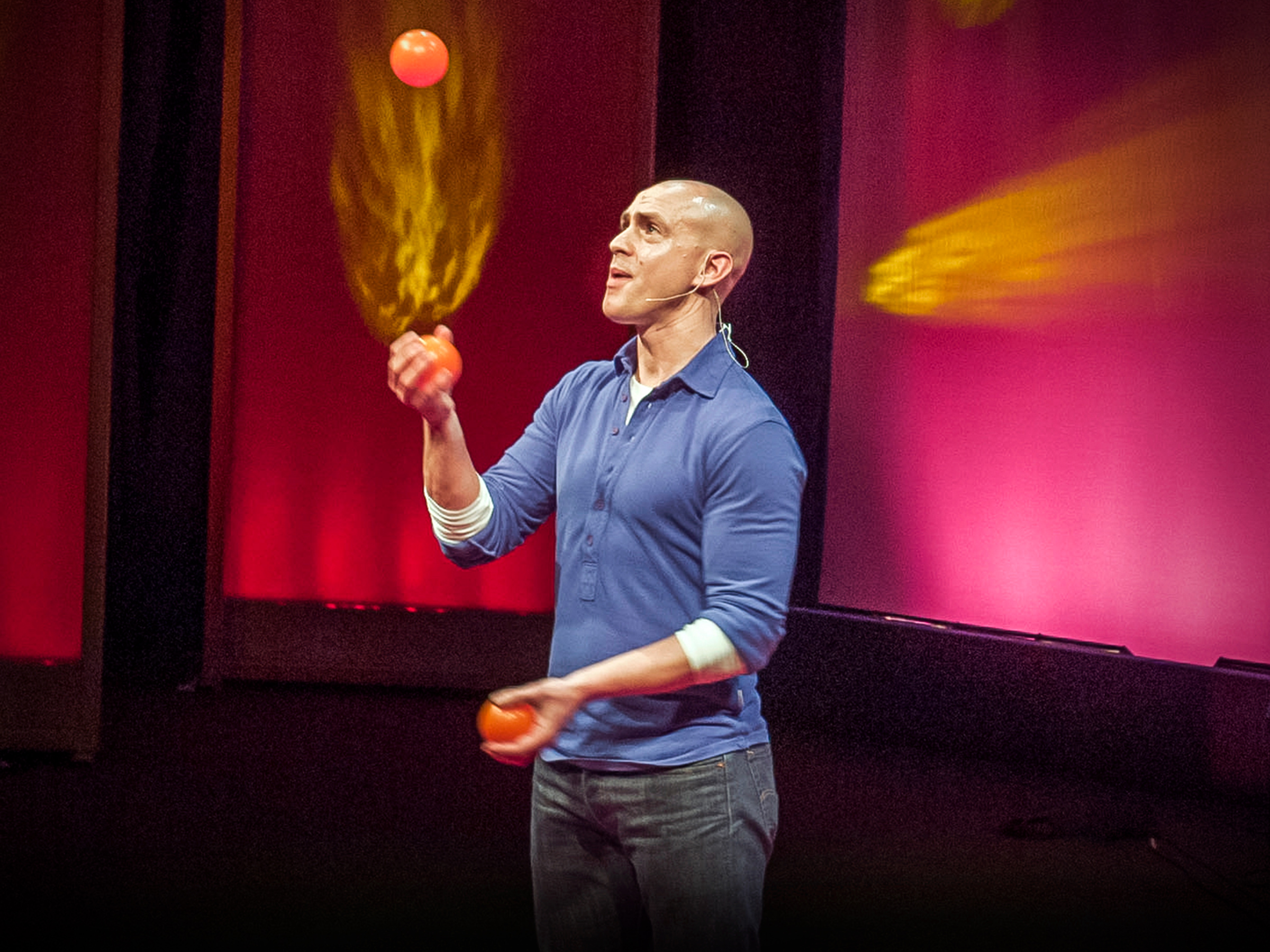
When is the last time you did absolutely nothing for 10 whole minutes? Not texting, talking or even thinking? Mindfulness expert Andy Puddicombe describes the transformative power of doing just that: Refreshing your mind for 10 minutes a day, simply by being mindful and experiencing the present moment. (No need for incense or sitting in uncomfortable positions.)
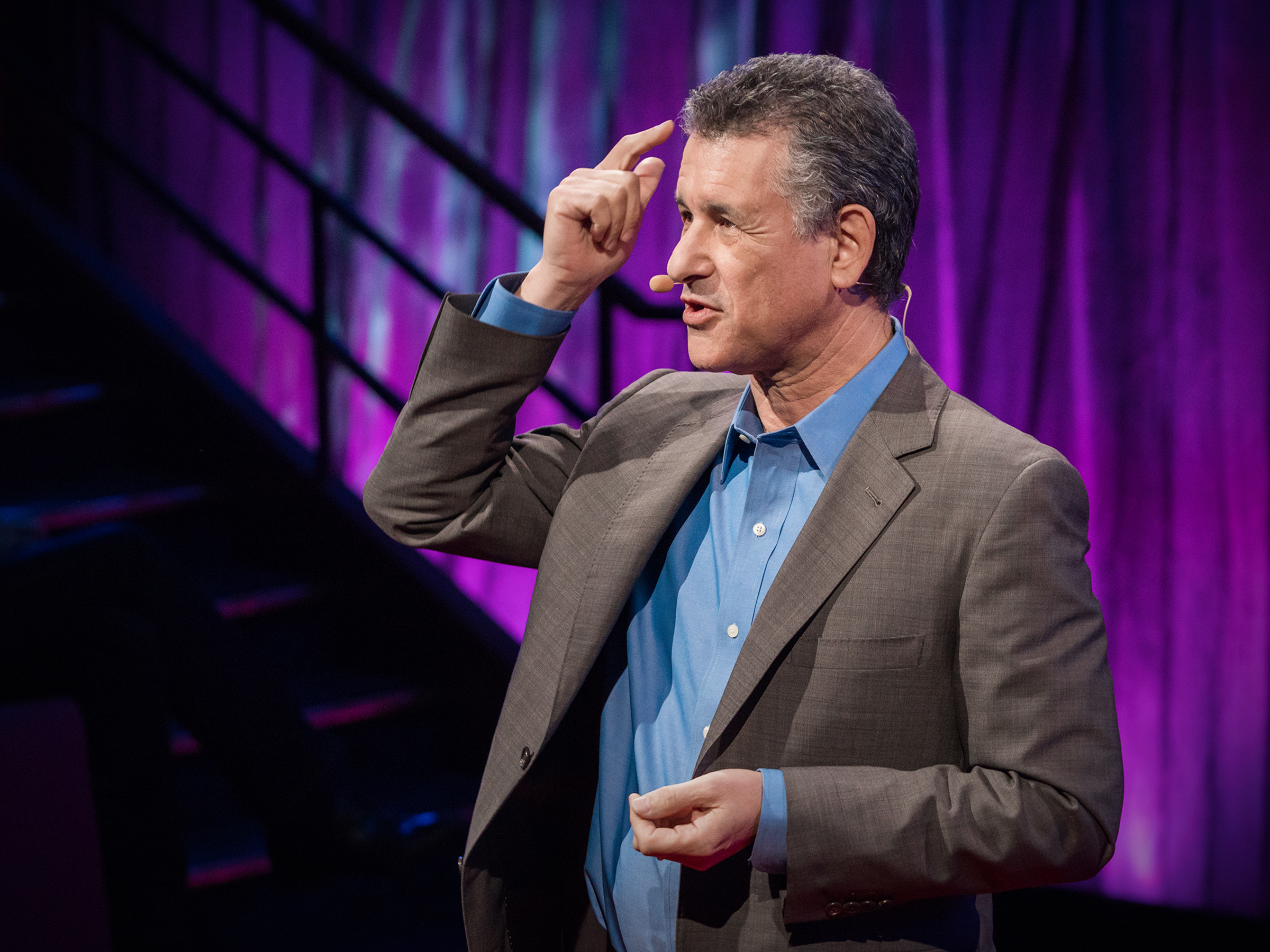
You're not at your best when you're stressed. In fact, your brain has evolved over millennia to release cortisol in stressful situations, inhibiting rational, logical thinking but potentially helping you survive, say, being attacked by a lion. Neuroscientist Daniel Levitin thinks there's a way to avoid making critical mistakes in stressful situations, when your thinking becomes clouded -- the pre-mortem. "We all are going to fail now and then," he says. "The idea is to think ahead to what those failures might be."
What is happiness, and how can we all get some? Biochemist turned Buddhist monk Matthieu Ricard says we can train our minds in habits of well-being, to generate a true sense of serenity and fulfillment.
Hugh Herr is building the next generation of bionic limbs, robotic prosthetics inspired by nature's own designs. Herr lost both legs in a climbing accident 30 years ago; now, as the head of the MIT Media Lab’s Biomechatronics group, he shows his incredible technology in a talk that's both technical and deeply personal — with the help of ballroom dancer Adrianne Haslet-Davis, who lost her left leg in the 2013 Boston Marathon bombing, and performs again for the first time on the TED stage.
"The opposite of depression is not happiness, but vitality, and it was vitality that seemed to seep away from me in that moment." In a talk equal parts eloquent and devastating, writer Andrew Solomon takes you to the darkest corners of his mind during the years he battled depression. That led him to an eye-opening journey across the world to interview others with depression -- only to discover that, to his surprise, the more he talked, the more people wanted to tell their own stories.
Russell Foster is a circadian neuroscientist: He studies the sleep cycles of the brain. And he asks: What do we know about sleep? Not a lot, it turns out, for something we do with one-third of our lives. In this talk, Foster shares three popular theories about why we sleep, busts some myths about how much sleep we need at different ages -- and hints at some bold new uses of sleep as a predictor of mental health.
What really causes addiction -- to everything from cocaine to smart-phones? And how can we overcome it? Johann Hari has seen our current methods fail firsthand, as he has watched loved ones struggle to manage their addictions. He started to wonder why we treat addicts the way we do -- and if there might be a better way. As he shares in this deeply personal talk, his questions took him around the world, and unearthed some surprising and hopeful ways of thinking about an age-old problem.
Tunggu sebentar sementara kami menyiapkan semuanya untuk Anda.
Mencari ruangan Anda…0%
1
Pemberitahuan masuk ruangan
Ups, hampir benar!
KALIMATMU YANG TELAH DIPERBAIKI
🇺🇸 Bahasa Inggris
0/20 kata - 0/110 karakter digunakan
Buat karakter Anda
Simpan karakter Anda
Kami akan mengirim kode konfirmasi. Jika belum masuk, periksa folder spam.
Enviaremos um código de confirmação para o seu e-mail. Atenção ao Spam: caso não apareça na caixa de entrada em instantes, confira sua pasta de Spam ou Lixo Eletrônico!
Masukkan enam digit kode yang kami kirim melalui email. Jika belum masuk, periksa folder spam.
✓
Rambut
Pilih gaya dan warna rambut Anda.
Warna
Bicara dengan Guru
Bicara dengan Guru
Kelas langsung
Teman & Pesan (DM)
0
⏳
Memuat...
Permintaan Diterima (0)
Permintaan Terkirim (0)
Pilih Capibot
Temui teman virtual yang tersedia untuk profil Anda.
Tidak ada percakapan yang dipilih
Klik salah satu teman dari daftar untuk melihat pesan dan mengobrol.
Teman
🇺🇸 Bahasa Inggris
0/20 kata - 0/110 karakter digunakan
Mengedit profil
Suara
Bahasa yang ingin Anda gunakan
Teman Anda mengatakan:
Tanggapan panggilan akan muncul di sini.
Ruang dan peta
Gabung ke ruang pribadi
Gunakan nama, slug, atau kode untuk menemukan ruang.
Kata bahasa Inggris saya
Ketuk untuk berbicara
...
Tambah daftar kata
Masukkan hingga 100 kata bahasa Inggris yang dipisahkan dengan koma atau baris baru. Kami menerjemahkannya dan menambahkannya ke kosakata Anda.
Tambah kategori kata
Tinjau kata dan terjemahan di lembar ini. Kata-kata ini hanya akan ditambahkan ke kamus saat Anda mengeklik Tambahkan ke kamus.
Pratinjau
Bahasa Inggris
Ulangi kalimatnya
Teka-Teki Silang
Untuk bermain lagi, pilih Permainan baru.
Mendatar
Menurun
Category Rush
Tantangan kata berdasarkan kategori
Siap untuk tantangan kata?
Pilih bahasa jawaban dan mainkan rangkaian kata melawan Capibot.
Anda memiliki 20 detik untuk setiap jawaban
Jawaban benar terbanyak memenangkan permainan. Hasil seri dimungkinkan.
Undang teman atau seseorang di ruangan
Tema babak
Bersiaplah…
Waktu babak
Tema babak
Huruf
⚔
Kata Anda
Ketik kata bahasa Inggris yang diawali dengan huruf ini
Anda
Selamat datang di perjalanan bahasa Inggrismu
Langkah 1
Hai! Aku ingin membantumu belajar sesuai kecepatanmu.
Apa level bahasa Inggrismu hari ini?
Pilih opsi yang paling sesuai denganmu.
Jangan khawatir — kamu bisa mengubahnya nanti, dan aku akan merekomendasikan aktivitas terbaik untukmu.
Dunia I
Translation Blitz
BLITZ TERJEMAHAN
Terjemahkan kata secepat mungkin! Setiap 5 jawaban benar berturut-turut, dapatkan +2 detik.
Arah:
Waktu awal: 30 detik
+1 poin untuk setiap jawaban benar
5 jawaban benar berturut-turut = +2 detik
Salah = -1 detik
Bagaimana kalau mencoba tantangan lain sambil menunggu? 🚀
Undang teman atau seseorang di ruangan
00
...
0
0
+2s BONUS BERUNTUN! 🔥
Anda berhasil
0/10
Bagaimana kalau mencoba tantangan lain sambil menunggu? 🚀
HASIL
Anda
0POIN
0.0sWAKTU
0POIN
0.0sWAKTU
Rhythm
Belajar bahasa Inggris mengikuti irama musik
Belajar bahasa Inggris mengikuti irama musik
Pilih gaya, latih kosakata, dan biarkan musik memandu Anda.
Tekan not dengan A S D F atau ketuk bantalan berwarna. Pilih terjemahan dengan H J K L atau klik jawaban.
Undang teman atau seseorang di ruangan
0
Skor0
1×
Bintang tersisa
Skor0
Bintang tersisa
Kombo terbaikRekor baru
Akurasi
Anda
Tebak kata
★
Kosakata
★
Latih pelafalan kata
Ketuk untuk berbicara
Contoh dalam kalimat
Latih pelafalan kalimat
Kursus Bahasa Inggris
Daftar isi kursus
Artikel Bahasa Inggris
Video Edukasi
Buku
Komik
Tes simulasi
Kemajuan keseluruhan
Uji kemampuan bahasa Inggris Anda
Latih membaca, mendengarkan, berbicara, dan menulis. Tinjau jawaban Anda dan pahami setiap koreksi.